A content brief for AI writing is a structured instruction document that defines exactly what an AI system must produce, including topic scope, keywords, audience, structure, tone, and data requirements, and it acts as the highest-leverage input in the AI content workflow. The principle of garbage in, garbage out (GIGO) governs AI content generation, meaning the quality of AI output depends entirely on the clarity, depth, and accuracy of the instructions provided.
A content brief differs from a traditional article brief because artificial intelligence cannot interpret ambiguity, infer intent, or apply brand judgment without explicit rules. Human writers can fill gaps, adjust tone, and apply experience, while AI systems follow instructions deterministically and produce output based only on the inputs they receive.
Without a structured SEO content brief example, AI-generated content becomes generic, misaligned with search intent, and inconsistent with brand voice. Poor briefs lead to keyword misuse, shallow topical coverage, and hallucinations, which refer to fabricated or incorrect information. This outcome increases editing time and reduces efficiency, often making the process slower than manual writing.
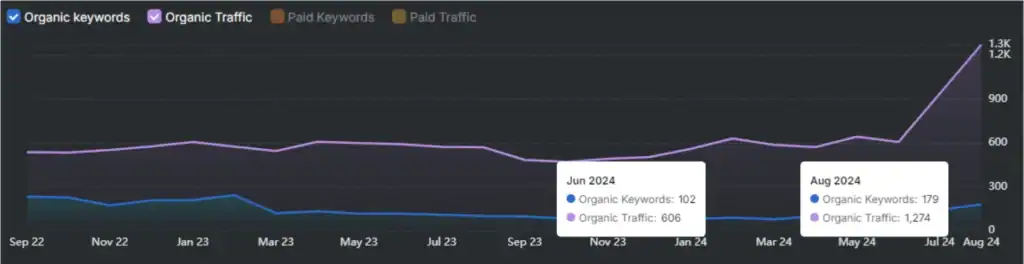
A well-defined brief outline enables faster production, consistent quality, and scalable content systems. Content briefs improve reliability by 30 to 40%, increase campaign effectiveness by up to 25%, and can drive 50 to 100% more organic traffic when SEO structure and keywords are defined in advance. Organizations that create a content brief before writing scale production by 200 to 300% without sacrificing quality, while reducing creation time from 1 to 2 hours down to approximately 10 minutes using AI-assisted workflows.
A structured article brief transforms AI from a text generator into a programmable system for content production. Teams that rely on briefs instead of ad hoc prompting achieve deterministic output, lower marginal costs, and consistent brand alignment across large content libraries. By 2026, 85 percent of marketers will use AI for content creation, and those using structured briefing processes are 25% more likely to report successful outcomes.
The role of content briefs continues to expand as AI workflows evolve toward agentic systems and multimodal content generation. AI systems increasingly rely on structured inputs to coordinate text, images, video, and data, while human teams focus on strategy, differentiation, and creative direction. As AI handles up to 80% of tactical execution, the quality of the initial brief becomes the primary factor that determines content performance, visibility, and scalability.
What is a Content Brief for AI Writing?
A content brief for AI writing is a structured instruction document that tells an AI content tool exactly what to produce, including topic scope, target keyword, audience, search intent, structure, tone, brand voice parameters, word count, internal links, and required data or constraints. A content brief definition refers to a systemized framework that removes ambiguity and ensures AI-generated content aligns with strategy, SEO requirements, and brand standards.
Why does a content brief for AI writing require more structure than a traditional article brief? A content brief for AI writing requires more structure because artificial intelligence cannot interpret vague instructions or apply contextual judgment without explicit direction. Human writers infer intent, adjust tone, and fill gaps using experience, while AI systems rely entirely on provided inputs. A description brief for AI must include precise rules, constraints, and examples to guide output accurately.
How does a content brief function within the AI content workflow? A content brief functions as a control layer that defines what the AI generates and how the content aligns with business goals, audience needs, and SEO strategy. The content brief transforms a simple prompt into a deterministic system where outputs remain consistent, structured, and aligned with predefined objectives. This reduces variability and improves scalability across content production.
What components are included in a content brief for AI writing? A content brief for AI writing includes defined elements such as target audience, content goals, keywords, structure, tone guidelines, context, sources, and calls to action. These components ensure the AI understands what to write, who the content targets, how the information should be structured, and what outcome the content should achieve.
- The target audience defines demographics, knowledge level, and pain points
- Content goal defines purpose, such as ranking, educating, or converting
- Keywords include primary, secondary, and semantic terms for SEO
- Structure defines headings, sections, and content flow
- Tone guidelines define voice, style, and language rules
- Context and sources provide factual grounding and brand information
- A call to action defines the desired user action
Why do content briefs improve accuracy and reduce AI hallucinations? Content briefs improve accuracy because they provide verified data, clear constraints, and source references that prevent AI systems from generating incorrect or fabricated information. AI hallucinations refer to outputs where the model invents facts due to missing context. Providing structured inputs reduces this risk and improves content reliability by 30 to 40%.
How do content briefs improve SEO performance and content visibility? Content briefs improve SEO performance because they integrate keywords, search intent, and optimized structure before content generation begins. This alignment ensures that AI-generated content matches how search engines evaluate relevance and completeness. Well-structured briefs can increase organic traffic by 50 to 100% by aligning content with ranking signals.
How do content briefs enable scalability in AI content production? Content briefs enable scalability because they standardize content creation processes and reduce the need for repeated manual editing and prompting. Organizations can increase content output by 200 to 300 percent while maintaining quality because each piece follows the same structured framework. This consistency lowers production time and ensures repeatable results across large content systems.
What Is the Difference Between a Content Brief and an AI Writing Prompt?
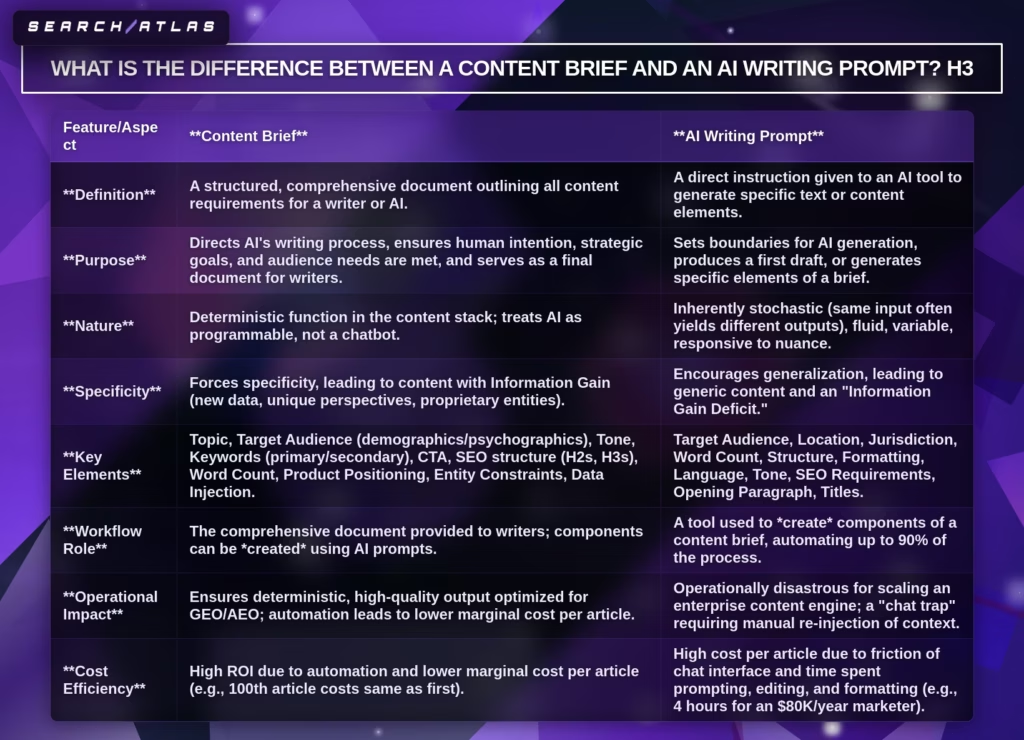
The difference between a content brief and an AI writing prompt is structural and hierarchical. A content brief is a comprehensive instruction system, while a prompt is a single input within that system, meaning the hierarchy is content brief → prompt → AI output. In the content brief vs AI prompt comparison, the brief defines the full strategy and constraints, while the prompt executes a specific task inside that framework.
What is a content brief vs. an AI prompt in practical terms? A content brief is a complete blueprint, while an AI writing prompt is a single command used to generate text. The brief includes everything the AI needs to produce aligned content, such as audience, SEO targets, structure, and tone. A prompt, by contrast, might only instruct the AI to write a section, generate ideas, or rewrite text.
How does the hierarchy of content brief → prompt → AI output work? The content brief sets the rules, prompts translate those rules into instructions, and AI output is the result of executing those instructions. The brief acts as the source of truth. Prompts pull from that source to guide generation. The final output reflects how well the prompt translates the brief into actionable input.
Why does a content brief produce more consistent results than prompts alone? A content brief produces more consistent results because it removes ambiguity and standardizes inputs across every generation. Prompts alone rely on memory and repetition, which leads to variation, missing context, and inconsistent tone. A structured brief ensures every prompt starts from the same strategic foundation.
Why do prompts often lead to generic or inconsistent content? Prompts often lead to generic or inconsistent content because they lack the full context required for specificity and differentiation. Without a detailed brief, AI defaults to common patterns, resulting in low information gain, repeated phrasing, and weak alignment with brand voice or search intent.
When should you use a content brief instead of relying only on prompts? You should use a content brief when you need scalable, high-quality, and SEO-aligned content across multiple pieces. Briefs are essential for maintaining consistency, reducing editing time, and ensuring each article meets strategic goals without repeated manual input.
When are AI writing prompts still useful in the workflow? AI writing prompts are useful for generating specific elements such as outlines, keyword lists, or first drafts within a structured system. They work best as execution tools inside a broader brief, not as a replacement for it.
What Are the Key Components of an AI Content Brief?
The key components of an AI content brief are the explicit instructions that remove ambiguity and eliminate every judgment call an AI would otherwise make incorrectly by default. A strong SEO content brief template defines exactly what to include in a content brief so the AI produces accurate, on-brand, and search-aligned output without guesswork.
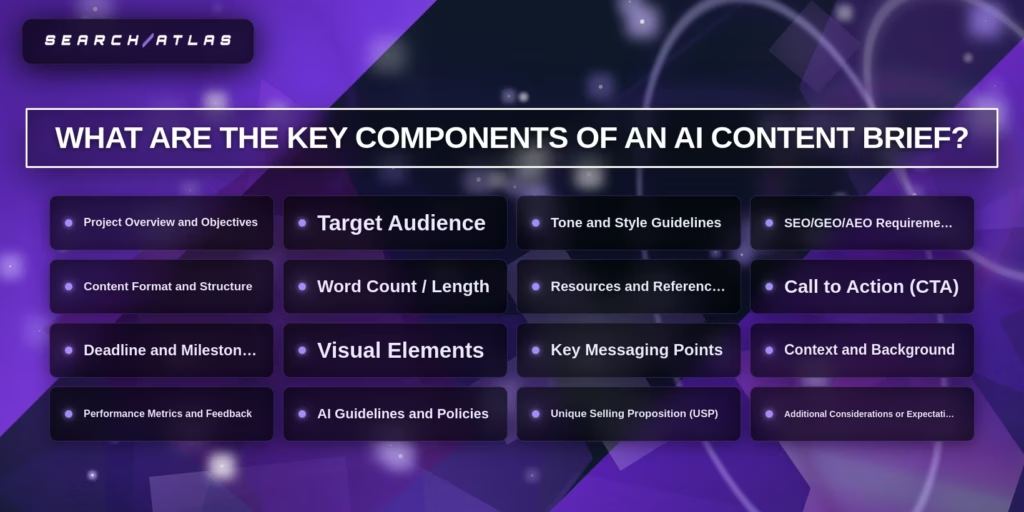
What should be included in an AI content brief template? An AI content brief template includes structured sections that define goals, audience, SEO requirements, structure, tone, and constraints for content generation. Each component exists to control a specific part of the output and prevent common AI failures like generic writing, hallucinations, or misalignment.
- Project overview and objectives. The project overview defines the purpose of the content and the desired outcome. This includes whether the goal is ranking, educating, converting, or supporting a campaign, ensuring the AI aligns output with business intent.
- Target audience. The target audience defines who the content is for and how it should be written. This includes knowledge level, pain points, and intent so the AI can match language, examples, and depth appropriately.
- SEO and search intent requirements. SEO requirements define the target keyword, supporting terms, and search intent that the content must satisfy. This ensures the content is structured to rank and aligns with how users search and what they expect to find.
- Content format and structure. Content structure defines headings, sections, and flow before writing begins. This includes H2s, H3s, and key talking points, ensuring logical organization and full topic coverage.
- Tone and brand voice guidelines. Tone guidelines define how the content should sound and what to avoid. This includes voice characteristics, banned phrases, and style rules to maintain consistency across all outputs.
- Key messaging and unique angle. Key messaging defines the main ideas, positioning, and differentiation that the content must communicate. This prevents generic output and ensures the article delivers unique value.
- Word count and depth. Word count defines the expected length and level of detail. This helps the AI balance completeness with readability and avoid underdeveloped or overly verbose sections.
- Sources, data, and references. Sources provide factual grounding and reduce hallucinations. Including trusted links, statistics, or internal data ensures accuracy and improves credibility.
- Internal links and entity targets. Internal linking instructions define which pages or topics must be referenced. This supports SEO, topical authority, and site structure.
- Call to action. The call to action defines what the reader should do next. This aligns content with conversion goals such as signups, demos, or further reading.
- Visual and media guidance. Visual elements define where images, charts, or videos should be included. This improves engagement and supports comprehension.
- Context and background information. Context provides brand, product, or industry-specific details that the AI must incorporate. This ensures relevance and prevents generic explanations.
- AI-specific guidelines and constraints. AI guidelines define rules the model must follow, including what to include, exclude, or emphasize. This acts as a guardrail to control output quality.
- Performance metrics and success criteria. Performance metrics define how success will be measured. This may include rankings, engagement, conversions, or traffic targets, aligning content with outcomes.
- Deadlines and production requirements. Deadlines define timelines and workflow expectations. This ensures content production stays aligned with publishing schedules.
Why do these components matter in an AI content brief? These components matter because AI cannot make strategic decisions on its own, so every critical variable must be predefined. A complete AI content brief template removes uncertainty, improves output quality, and enables scalable, repeatable content production.
How to Create a Content Brief for AI Writing?
The AI content brief creation workflow is a SERP-first, structure-second, voice-third process that starts with ranking analysis, turns ranking patterns into a clear outline, and then adds the brand parameters that make the final output differentiated and useful. This workflow matters because human strategic judgment remains essential at the briefing stage.
AI accelerates research and draft support, but humans still define the angle, content gap, entity priorities, internal link architecture, and brand positioning that the brief must encode. Teams using Search Atlas Content Genius reduce the research phase from 1 to 2 hours to under 15 minutes by combining SERP analysis, keyword clustering, and topical relevance scoring in one workflow.
What steps define the AI content brief creation workflow? The AI content brief creation workflow follows 7 steps that move from keyword selection and SERP analysis to structure, semantic coverage, brand guidance, sources, and publishing constraints. Each step removes a different type of ambiguity that AI would otherwise resolve incorrectly. The 7 steps are keyword research and SERP analysis, target audience and content goal definition, SERP-informed outline creation, keyword and semantic term integration, brand voice instruction, context and source injection, and internal link, CTA, and restriction setup.
1. Start with Keyword Research and SERP Analysis
Keyword research and SERP analysis are the starting point of an AI content brief because they define the query, the search intent, the ranking pattern, and the competitive standard the content must meet. This step identifies the primary keyword, supporting keywords, competitor formats, expected depth, and missing opportunities inside the result page.
How should a team select the primary keyword for a content brief? The primary keyword is the main query that defines the topic focus for users and search engines. A strong primary keyword is specific, relevant, and aligned with the site’s authority level and ranking opportunity. Teams evaluate search volume, keyword difficulty, and intent, then choose the term that most clearly represents the article’s purpose.
How do secondary keywords improve the content brief? Secondary keywords improve the content brief by expanding coverage around subtopics, variants, and related user questions without forcing repetition of the main term. Secondary keywords help the content rank for a broader semantic set and reduce keyword stuffing by distributing relevance across related phrases.
Why is search intent essential at the start of the brief? Search intent is essential because content must match what users expect to find when they search the target query. Informational, navigational, commercial, and transactional queries each require different structures, depths, and conversion expectations. The top results reveal which intent Google currently rewards.
How does SERP analysis shape the brief beyond keywords? SERP analysis shapes the brief by revealing content type, common headings, preferred depth, SERP features, and gaps that the new article can fill. Teams study top-ranking pages, featured snippets, People Also Ask questions, AI Overviews, and video or image results to understand the format Google favors and the opportunities competitors missed.
2. Define the Target Audience and Content Goal
The target audience and content goal define who the article is for and what the article is supposed to achieve. This step prevents generic writing because it tells the AI what knowledge level, pain points, motivations, and business outcome the content must address.
How should a target audience be defined inside the brief? A target audience should be defined using specific demographic, psychographic, behavioral, and contextual details that shape how the article explains the topic. Effective audience definition includes experience level, role, pain points, objections, and funnel stage, so the content matches tone, examples, and technical depth.
Why does audience specificity improve AI-generated content? Audience specificity improves AI-generated content because vague audience labels produce vague output. A precise description gives the model a sharper frame for examples, vocabulary, and relevance, which increases resonance and reduces generic copy.
What should the content goal include in the brief? The content goal should include the purpose of the article, the success metric, the desired reader action, and the strategic role in the funnel. The goal can be to rank, educate, convert, generate leads, support sales, or strengthen authority, but it must be explicit so the structure and CTA align with the intended result.
How does a measurable content goal improve the brief? A measurable content goal improves the brief because it turns content planning into performance planning. Specific goals, such as ranking for a query, increasing signups, or supporting a product narrative, create clearer writing requirements than vague instructions like write an engaging article.
3. Build a SERP-Informed Structural Outline
A SERP-informed structural outline is the H1, H2, and H3 framework built from ranking patterns, search intent, common subtopics, and real user questions found in the SERP. This outline matters because AI needs a predefined logic path to cover the topic completely and in the order users expect.
Why do SERP-informed outlines outperform traditional outlines? SERP-informed outlines outperform traditional outlines because they are based on observed ranking evidence rather than assumptions. Traditional outlines often miss search intent, skip subtopics, and fail to reflect the content structures Google already rewards.
How should teams build the structure for the brief? Teams should build the structure by extracting repeated headings, PAA questions, featured snippet formats, and content flow patterns from the top results, then organizing them into a logical progression. The structure should move from definition to explanation to application while making each section independently understandable.
How do SERP features improve structural decisions? SERP features improve structural decisions because they expose the exact questions, definitions, comparisons, and formats users and search engines prioritize. Featured snippets often indicate concise definitions or steps. PAA questions expose related queries. AI Overviews suggest answer-first structuring.
What makes an outline useful for AI writing? An outline becomes useful for AI writing when each heading includes a clear purpose, expected talking points, and the role that section plays in satisfying search intent. This reduces drift and helps the AI generate paragraphs that fit the article instead of producing disconnected filler.
4. Add Keywords, Semantic Terms, and NLP Entity Layer
Keywords, semantic terms, and the natural language processing entity layer define the vocabulary, related concepts, and named entities that the AI must cover to produce semantically complete content. This layer matters because modern search visibility depends on topical depth and entity relationships, not only exact-match keywords.
How should keywords be added to the brief after the outline is built? Keywords should be added by assigning the primary keyword to the page focus, mapping secondary keywords to relevant sections, and distributing semantic terms where they support clarity and coverage. The brief should state which terms are required, where they belong, and which competing cluster terms should be avoided.
What is the semantic term layer in an AI content brief? The semantic term layer is the set of supporting concepts, variants, and closely related phrases that reinforce the main topic and improve topical completeness. This layer helps the AI cover adjacent ideas naturally and improves relevance for both traditional SEO and AI retrieval.
What is the NLP entity layer in an AI content brief? The NLP entity layer is the set of required brands, products, tools, locations, technical concepts, or named entities that the content must mention clearly and consistently. Explicit entity requirements improve machine interpretation, strengthen context, and reduce vague explanations.
Why does semantic mapping matter more than keyword stuffing? Semantic mapping matters more than keyword stuffing because search systems reward complete topical understanding rather than repetitive term frequency. A strong brief maps related ideas logically, clusters aligned keywords, and prevents cannibalization by separating terms that deserve their own pages.
5. Add Brand Voice Parameters and Writing Instructions
Brand voice parameters and writing instructions define how the AI should sound, what linguistic patterns it should follow, and what wording it should avoid. This step matters because AI defaults to averaged internet language unless the brief explicitly encodes tone, sentence rhythm, vocabulary choices, and editorial rules.
What should brand voice parameters include in the brief? Brand voice parameters should include core voice traits, preferred phrasing, banned phrasing, audience calibration, and channel-specific tone expectations. A useful voice layer explains what the brand sounds like in practice instead of relying on vague labels such as professional or friendly.
How do writing instructions improve output quality? Writing instructions improve output quality because they translate voice into executable rules that the AI can follow consistently. These rules can define sentence length, reading level, use of examples, formality, point of view, and words to avoid.
Why are examples important in the brand voice section? Examples are important because AI learns stylistic patterns more reliably from demonstrated output than from abstract adjectives alone. A brief that includes sample phrasing, sample paragraphs, or explicit do and do not rules produces more stable voice alignment.
How should teams review voice alignment after drafting? Teams should review voice alignment by checking vocabulary, tone consistency, sentence rhythm, audience fit, and brand-specific language rules before publication. AI output should be treated as a draft that humans revise for nuance, trust, and strategic precision.
6. Provide Context and Sources
Context and sources are the factual and strategic inputs that tell the AI what background information to use, what perspective to prioritize, and what evidence to cite or rely on. This step matters because AI cannot verify truth on its own and will fill missing context with probabilistic guesses.
What kind of context should be included in the brief? The brief should include brand background, product details, positioning, target market context, unique angle, and any internal knowledge the article must reflect. This information helps the AI connect the topic to the business in a natural and relevant way.
Why do sources reduce hallucinations in AI writing? Sources reduce hallucinations because they give the AI a defined source of truth instead of leaving factual claims to model prediction. Studies, research links, internal data, expert material, and approved references improve accuracy and reduce invented claims.
How should source guidance be written inside the brief? Source guidance should specify which sources the AI may use, which sources it must cite, and which unsupported claims it should avoid. A strong brief also tells the AI to exclude competitor citations when necessary and to prioritize original sources for statistics and claims.
Why is context injection a strategic step rather than a technical step? Context injection is strategic because it determines how the content differentiates itself from generic SERP summaries. Context supplies the product relevance, the perspective, and the evidence that make the article worth publishing instead of repeating existing information.
7. Add Internal Links, CTAs, and Content Restrictions
Internal links, calls to action, and content restrictions define how the article connects to the site, what business action it should encourage, and what boundaries the AI must respect. This step matters because content quality is not only about explanation. Content also needs navigational value, conversion alignment, and compliance with editorial rules.
How should internal links be defined in the brief? Internal links should be defined by listing target pages, suggested anchor text, and the context where each link should appear naturally. Strong internal linking improves crawlability, distributes authority, and prevents content from becoming an isolated page with no strategic connection to the rest of the site.
What role does the CTA play in the content brief? The CTA defines the next action the reader should take after consuming the content. The CTA can guide readers toward a demo, signup, product page, related resource, or another article, but it must match the search intent and funnel stage of the page.
What restrictions should be included in an AI content brief? Restrictions should include banned phrases, prohibited claims, link limits, topics to avoid, competitor exclusions, legal constraints, and formatting rules the AI must follow. These restrictions protect quality, compliance, and brand credibility by preventing avoidable errors.
Why do final constraints improve the overall brief? Final constraints improve the overall brief because they close the remaining gaps that AI would otherwise handle inconsistently. A complete brief controls strategy, structure, language, evidence, linking, and conversion so the model can generate useful content with fewer revisions and less manual cleanup.
What are the Common Mistakes When Creating AI Content Briefs?
The common mistakes when creating AI content briefs are the omissions, assumptions, and vague instructions that force an AI system to make strategic decisions it cannot make reliably on its own. These mistakes reduce content quality, flatten brand voice, weaken SEO alignment, and increase revision time. A strong brief removes ambiguity before drafting starts, while a weak brief pushes that work into editing after the output is already wrong.
What mistakes most often weaken an AI content brief before writing begins? The most common early-stage mistakes are vague goals, weak audience definition, missing search intent, generic prompts, and poor structure. These errors create content that sounds broad, unfocused, and disconnected from what users and search engines expect.
- Using vague objectives. A vague objective tells the AI to write something useful or engaging without defining the business goal, ranking goal, or reader outcome.
- Ignoring search intent. Ignoring search intent causes the brief to mismatch the query type, which leads to content that ranks poorly because it does not satisfy user expectations.
- Using generic prompts instead of a full brief. Generic prompts create generic output because the AI receives too little context to produce differentiated, strategically aligned content.
- Failing to define the target audience clearly. A weak audience definition produces shallow explanations, wrong examples, and the wrong technical depth.
- Building a generic outline without SERP evidence. A generic outline misses ranking patterns, People Also Ask questions, and topical gaps that should shape the article structure.
What mistakes cause AI-generated content to lose quality, originality, or expertise? The most damaging quality mistakes are expecting AI to strategize independently, replacing human expertise, skipping editing, and using AI for the entire writing process without review. These errors create robotic content that lacks insight, accuracy, and original value.
- Expecting AI to strategize independently. AI assists research and drafting, but AI does not replace human judgment for positioning, differentiation, or content gap analysis.
- Expecting AI to replicate personal insight automatically. AI imitates style patterns, but AI does not possess lived experience, professional intuition, or first-hand expertise unless those elements are explicitly added.
- Using AI for the entire writing process. A fully automated workflow often produces content that is generic, repetitive, and misaligned with the intended outcome.
- Copying and pasting entire AI-generated sections without revision. Unedited output often contains filler, weak transitions, shallow explanations, and language patterns that reduce trust and readability.
- Skipping proofreading and revision. Proofreading is required because AI output contains logic gaps, awkward phrasing, factual errors, and inconsistent terminology.
- Missing human expertise in the brief. A brief without subject matter expertise leaves the model with surface-level patterns instead of useful, differentiated guidance.
- Replacing creativity entirely with automation. AI accelerates execution, but human creativity still supplies angle, originality, narrative control, and information gain.
What mistakes create factual, legal, or compliance risk in AI content briefs? The main risk mistakes are inadequate fact-checking, missing sources, sharing confidential data, plagiarism exposure, privacy failures, and regulatory non-compliance. These errors can damage trust, create legal risk, and weaken search performance.
- Not checking facts and hallucinations. AI can invent statistics, quotes, and explanations if the brief does not provide sources and the draft is not verified.
- Providing no source material or weak references. A brief without factual grounding forces the model to guess, which increases hallucination risk and reduces credibility.
- Sharing confidential or sensitive data. Sensitive data should not be placed into public or unapproved AI systems because it creates privacy and security exposure.
- Overlooking privacy requirements. A brief must account for internal privacy rules and external regulations when content includes customer, employee, or business data.
- Creating briefs that allow plagiarism or copyright risk
AI can reproduce close variations of existing material if the workflow lacks originality checks and source review. - Ignoring legal or industry regulations
Regulated industries require tighter language controls, approval rules, and claim restrictions than general marketing content.
What mistakes break brand consistency and reduce audience trust? The most common brand mistakes are losing brand voice, giving vague tone instructions, failing to adapt content to platforms, and allowing off-brand language into the brief. These issues make content feel interchangeable and reduce recognition over time.
- Using vague instructions for tone. Instructions like sound conversational or be professional are too broad to guide sentence rhythm, vocabulary, and positioning.
- Losing brand voice in the brief. If the brief does not define the brand voice clearly, AI defaults to averaged internet language, and the result sounds generic.
- Providing weak or irrelevant writing samples. Samples that do not reflect current brand standards train the model toward the wrong stylistic patterns.
- Creating off-brand content instructions. A brief that conflicts with brand language, audience expectations, or messaging priorities produces misaligned output even if the writing is fluent.
- Failing to adapt content for different platforms. A blog, landing page, LinkedIn post, and product page require different structures and tones, so one generic brief weakens performance.
- Producing robotic and generic content. A brief that lacks voice, perspective, or differentiation causes the output to feel mechanical and forgettable.
- Removing emotional intelligence and human relevance. Content that explains facts without empathy, judgment, or situational awareness often feels flat and less persuasive.
What operational mistakes make AI content briefing inefficient at scale? The biggest operational mistakes are over-reliance on automation, poor workflow integration, weak measurement, outdated training inputs, and ignoring performance feedback. These mistakes make the system harder to scale and easier to distrust.
- Over-relying on automation. Automation helps execution, but briefs still require human review for strategy, risk, and audience fit.
- Failing to integrate AI briefing into existing workflows. If the brief does not connect with research, editorial review, internal linking, and publishing systems, teams lose consistency and efficiency.
- Using suboptimal prompting inside the workflow. Weak prompts reduce the value of even a good brief because they fail to translate the brief into clear generation instructions.
- Ignoring SEO and engagement metrics. Teams need ranking, traffic, clicks, and conversion feedback to know whether the brief structure is producing useful content.
- Failing to establish a measurement framework. Without success criteria, teams cannot improve briefing quality or compare output performance across articles.
- Not updating AI training inputs and examples. Outdated examples and stale brand guidance cause repetitive output and voice drift over time.
- Starting without a real content strategy foundation. AI cannot compensate for a missing topic strategy, weak site architecture, or undefined business priorities.
- Creating organizational resistance through poor rollout. When teams do not trust the workflow, do not understand review rules, or do not know where AI helps, adoption weakens, and quality becomes inconsistent.
Why do these mistakes matter so much in AI content production? These mistakes matter because every gap in the brief becomes a decision the AI makes by default, and default AI decisions usually optimize for fluency rather than strategy, accuracy, or differentiation. A strong brief prevents those failures before drafting starts. A weak brief turns the editing phase into rework, which removes most of the speed and scale benefits AI is supposed to provide.
How to Use AI to Create Content Briefs?
Using AI to create content briefs means using artificial intelligence tools to accelerate research, extract SERP patterns, generate outlines, surface keywords, and assemble a structured brief that humans then refine for strategy, accuracy, and brand fit. AI helps with speed and scale, but AI does not replace human judgment at the briefing stage because the strategic angle, audience nuance, and business priorities still require human control. AI can reduce brief creation time from 1 to 2 hours to about 10 minutes and automate a large share of the research and outline work.
What tasks can AI handle effectively when creating content briefs? AI can handle keyword research support, SERP pattern extraction, heading generation, question mining, and draft brief assembly. AI tools pull headings from ranking pages, identify primary and secondary keywords, surface People Also Ask questions, summarize competitor coverage, and suggest structure, word count, and metadata. This support reduces manual research and gives teams a faster starting point.
How should teams use AI without losing strategic control of the brief? Teams should use AI as a research and drafting assistant while keeping humans responsible for positioning, differentiation, audience definition, and final brief approval. The strongest workflow is human-led and AI-assisted. Humans define the pivot point, evaluate the SERP gap, choose the internal link architecture, and decide how the piece supports the broader content strategy.
What prompt engineering practices improve AI brief generation? Clear and specific prompts improve AI brief generation because AI performs better when the requested format, audience, tone, and outcome are explicit. Strong prompts define the content type, target reader, goal, source inputs, and restrictions. Multi-step prompting also improves output because teams can generate keywords first, then structure, then talking points, then refinement rules.
What limitations should teams expect when using AI for content briefs? Teams should expect hallucinations, generic structure, and incomplete strategy unless a human reviews the output. AI can invent facts, produce basic essay-like outlines, and miss nuanced business requirements. AI works best as a starting point, not as a final authority. Human review remains necessary for coherence, product positioning, factual accuracy, and strategic fit.
What AI Tools to Use to Create Content Briefs?
The best AI tools to create content briefs are content brief generator platforms and AI content brief generator tools that combine keyword research, SERP analysis, outline creation, and workflow support inside one system. These tools differ in depth, speed, and specialization, but the strongest options reduce research time while improving structure, topical coverage, and SEO alignment.
Which tools are the best options for creating AI content briefs?
The best tools for creating AI content briefs include specialized SEO briefing platforms, research assistants, and structured workflow tools that support SERP-driven content planning. The most relevant options from the source set are listed below.
- Search Atlas Content Genius
Search Atlas Content Genius is an AI content and SEO workflow tool that helps teams create briefs using SERP analysis, keyword clusters, and topical relevance scoring. Search Atlas Content Genius matters because it compresses the research phase to under 15 minutes while supporting structure planning and search alignment for scalable content production. - Keyword Insights Content Brief Generator
Keyword Insights Content Brief Generator is a briefing tool that automates SERP analysis, heading extraction, and question discovery. The tool pulls headings from top-ranking pages and surfaces questions from Reddit, Quora, and People Also Ask results, which helps teams build faster, more complete briefs. - ChatGPT and GPT-4
ChatGPT and GPT-4 are general AI tools that assist with draft outlines, idea generation, and prompt-based brief building. These tools matter because they are flexible and fast, but they still require stronger human oversight than specialized briefing platforms. - Serpstat
Serpstat is an SEO research tool that supports keyword research, clustering, and SERP analysis for content brief creation. Serpstat matters because keyword intent and clustering improve topic selection, title planning, and structural alignment. - Surfer SEO
Surfer SEO is an on-page optimization tool that generates SEO-informed content briefs using competitor data and term suggestions. Surfer SEO helps teams structure headings, identify semantic terms, and align content depth with ranking pages. - Frase
Frase is an AI-assisted content research and briefing platform that extracts topics, questions, and statistics from ranking pages. Frase matters because it speeds up outline building and helps teams turn SERP research into working briefs. - Perplexity.ai
Perplexity.ai is a research-focused AI tool that helps teams gather real-time information and reduce hallucination risk during brief creation. Perplexity.ai matters because it improves source discovery and supports fact-grounded briefing. - Breviti.tech
Breviti.tech is a structured AI content brief generator built for marketers and content creators. The tool focuses on complete strategy-oriented briefs rather than keyword-only outputs, which makes it useful for faster planning workflows.
Why Do AI Models Require Structured Content Briefs?
AI models require structured content briefs because AI models do not infer intent, fill strategic gaps, or apply brand judgment the way human writers do. AI systems need explicit direction on topic, audience, format, search intent, and constraints so they can generate relevant output instead of generic text.
How do structured briefs improve AI output quality?
Structured briefs improve AI output quality by reducing ambiguity, increasing relevance, and preventing off-topic generation. A detailed brief acts as a roadmap that tells the model what to write, what to emphasize, what to avoid, and how to align the article with audience needs and SEO goals. Without that roadmap, AI defaults to broad statistical patterns instead of a precise strategy.
When Should You Use an AI Content Brief Instead of Manual Writing?
You should use an AI content brief instead of manual writing when the content operation requires speed, scale, repeatability, and structured consistency across similar content types. AI content briefs are most effective when the workflow depends on fast research, reusable formats, and clear SEO or conversion goals rather than highly original, emotionally complex writing.
When is an AI content brief the right choice for scalable blog production? An AI content brief is the right choice for scalable blog production when a team needs to publish many articles with a consistent structure, keyword alignment, and editorial logic. AI briefing reduces research time, speeds up outline creation, and helps content teams move from keyword to draft much faster than a fully manual process. This makes AI briefs valuable for SEO-heavy publishing calendars and content operations that need volume without losing process control.
When should teams use AI content briefs for programmatic SEO? Teams should use AI content briefs for programmatic SEO when many pages share the same structural pattern but require different keyword, entity, or location inputs. Programmatic SEO relies on repeatable templates, controlled variables, and consistent metadata, which makes structured briefs more useful than writing each page manually from scratch.
When are AI content briefs useful for landing page variants? AI content briefs are useful for landing page variants when marketers need multiple versions of the same core page for different audiences, intents, or offers. The brief can define which message stays constant and which sections change, allowing teams to generate variations faster while preserving positioning and conversion logic.
When do AI content briefs work well for product descriptions? AI content briefs work well for product descriptions when the content requires fast production across many items with consistent formatting, feature coverage, and SEO signals. This use case benefits from structured inputs because the format is repeatable and the information model is clear.
When should AI content briefs be used for localization? AI content briefs should be used for localization when content must be adapted across markets while preserving the core message, structure, and brand constraints. A structured brief helps control what remains fixed and what changes by market, which improves consistency and reduces rework across localized versions.
When is manual writing still the better choice? Manual writing is still the better choice when the content requires deep originality, nuanced persuasion, sensitive judgment, or highly specialized expertise that cannot be captured fully in a reusable briefing system. Human-led writing remains stronger for emotionally loaded messaging, thought leadership, and content where subtle voice and first-hand insight are the main differentiators.
Who Should Create the AI Content Brief?
The AI content brief should be created collaboratively, but the ideal owner is usually an SEO strategist or content editor working with subject matter experts and an AI workflow operator. AI content briefs perform best when strategic, editorial, factual, and operational inputs are combined before drafting begins.
Why should an SEO strategist help create the AI content brief? An SEO strategist should help create the AI content brief because the strategist defines the keyword target, search intent, SERP pattern, internal link logic, and ranking opportunity. This role ensures the brief aligns with search demand and that the article fits the broader topical and site architecture strategy.
Why should a content editor help create the AI content brief? A content editor should help create the AI content brief because the editor translates strategy into a usable structure, tone requirement, and quality standard for the writer or AI system. Content editors help make the brief practical, coherent, and aligned with the publication’s editorial rules.
Why is a subject matter expert important in the briefing process? A subject matter expert is important because subject matter experts provide the insight, accuracy, and real-world nuance that AI systems cannot infer reliably from surface-level patterns. This role is especially important when the content covers technical, regulated, or expertise-driven topics.
Why does an AI workflow operator matter in an AI content briefing? An AI workflow operator matters because the operator understands how to turn the brief into effective prompts, tool instructions, and repeatable workflow steps. This role helps the team use the AI system efficiently and reduces output drift caused by weak prompt execution or inconsistent tool usage.
Who should own the final version of the brief? The final version of the brief should usually be owned by the person responsible for content performance and editorial quality. In many workflows, that owner is the SEO strategist, content lead, or editor, because that person can balance ranking logic, audience fit, and publication standards before the content moves into production.
How Will AI Content Briefing Evolve in 2026 and Beyond?
AI content briefing in 2026 and beyond will evolve from prompt-based drafting support into agentic, adaptive, and multimodal workflow orchestration, where humans manage systems rather than write every instruction manually. The briefing process will remain essential, but the brief will increasingly function as a structured control system for multiple AI tasks instead of a static one-time document.
How will AI content briefing change from prompting to agentic workflows? AI content briefing will change from prompting to agentic workflows by shifting human effort from writing isolated commands to managing coordinated systems that research, cluster, outline, and prepare content assets automatically. In this model, humans define goals, constraints, and differentiation, while AI agents execute repeatable research and drafting steps.
How will adaptive AI affect the future of content briefs? Adaptive AI will affect the future of content briefs by making briefs more dynamic, context-aware, and responsive to changing data instead of fixed instructions used once. This means AI systems will increasingly learn from prior outputs, feedback, and live context, but the need for strategic human guidance will remain because the business angle and brand logic still require human control.
How will multimodal content change AI briefing requirements? Multimodal content will change AI briefing requirements by expanding the brief beyond text into image, video, audio, and cross-format storytelling instructions. Future briefs will need to specify not only what the article says, but also how supporting media should reinforce the same topic, audience, and message framework. The source document identifies multimodal content creation as a major growth area through 2034.
How will SEO and AI briefing evolve together? SEO and AI briefing will evolve together by making briefs more focused on search intent, topical relationships, answer extraction, and AI-visible structure rather than simple keyword insertion. As AI-enabled search environments expand, briefs will need to support both ranking and answer-system reuse, which increases the importance of structure, semantic clarity, and extractable section design.
What will remain uniquely human in future AI content briefing? The uniquely human part of future AI content briefing will remain strategy, differentiation, editorial judgment, and creative direction. As AI handles more tactical work, human input becomes more valuable in defining what makes the content worth producing in the first place. The source material describes this as a creativity paradox where human-driven originality becomes more important as AI automates more execution.